Get Vapor Barrier Installation in Pittsburgh, PA
Vapor barrier installation services help Pittsburgh property owners prevent moisture issues, mold growth, and structural damage in basements, crawl spaces, and attics.
Vapor barrier installation services are essential for property owners in Pittsburgh, PA seeking to improve the durability and functionality of their buildings. Properly installed vapor barriers help prevent moisture from seeping into walls, floors, and basements, which can lead to structural damage and mold growth over time. By controlling moisture levels, property owners can enhance the overall safety and longevity of their properties, reducing the likelihood of costly repairs in the future.
In addition to protecting the structural integrity of a building, vapor barrier installation offers benefits that contribute to increased comfort and curb appeal. A well-installed vapor barrier helps maintain a consistent indoor environment by reducing humidity and preventing dampness, which can improve indoor air quality. Furthermore, it can enhance the appearance of interior spaces and contribute to a cleaner, more polished exterior, making it a practical upgrade for those looking to boost both the function and visual appeal of their property.
- Vapor Barrier Installation Services - homeowners may need vapor barriers installed in crawl spaces or basements to prevent moisture buildup and mold growth.
- Residential properties in Pittsburgh, PA, and nearby areas often require vapor barriers during foundation or basement renovations.
- Vapor barrier services are essential for new construction projects aiming to control humidity levels and improve indoor air quality.
- Upgrading or replacing existing vapor barriers can help commercial buildings in industrial zones manage moisture and prevent structural damage.
- Vapor barrier installation is recommended when sealing off areas prone to dampness, such as underneath concrete slabs or in unheated spaces.
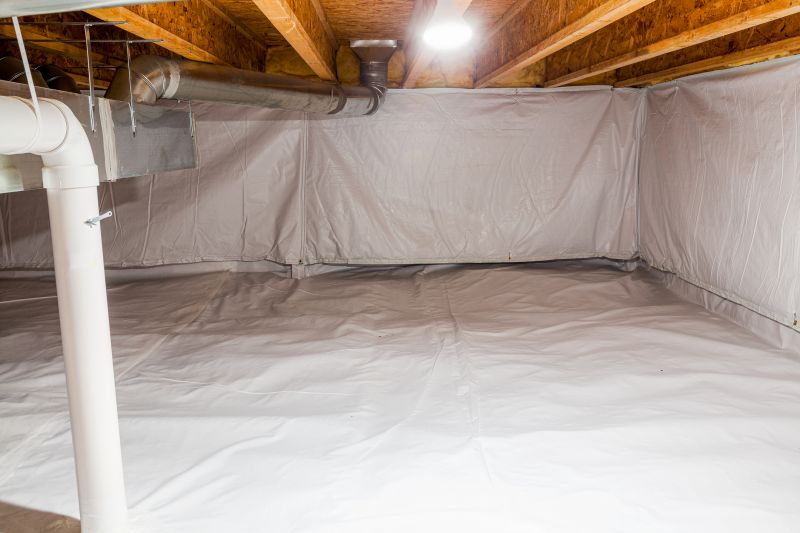
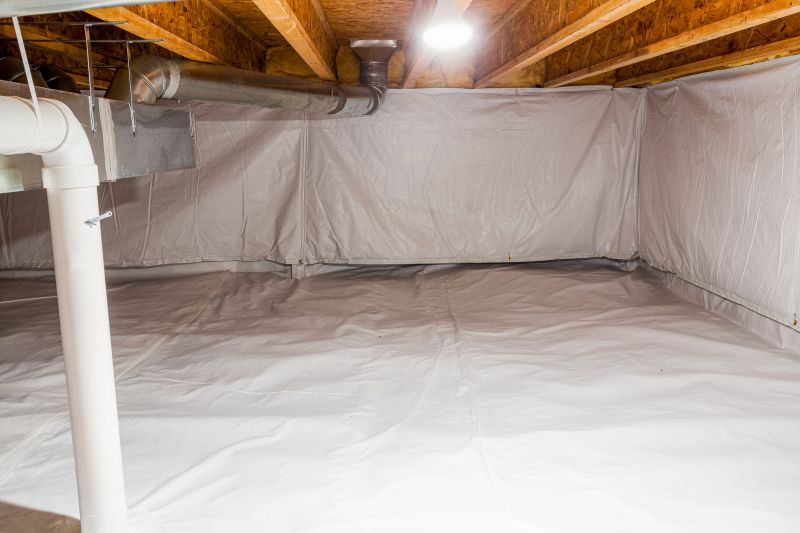
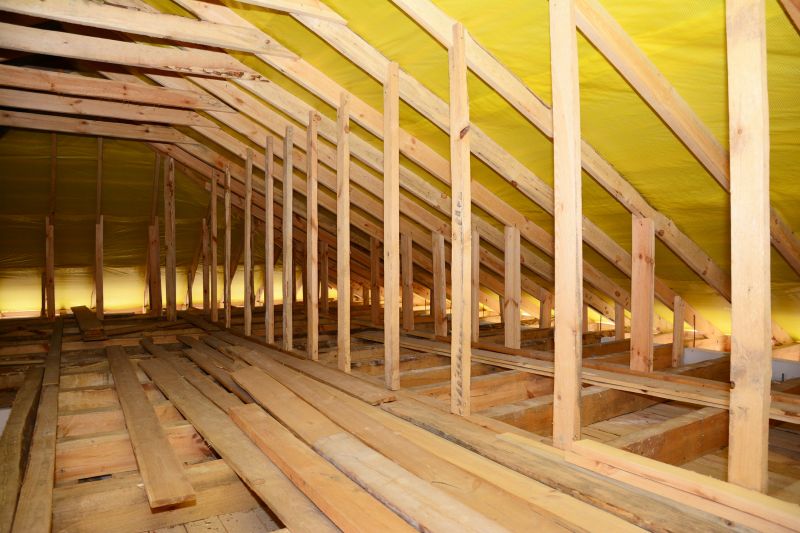
Vapor barrier installation services involve placing a specialized membrane or sheet material in specific areas of a property to prevent moisture from penetrating walls, floors, or ceilings. This process typically includes assessing the property's structure to determine the most effective locations for vapor barriers, followed by properly installing the material to create a moisture-resistant barrier. The goal is to control humidity levels within a space and minimize the risk of moisture-related issues, such as mold growth, wood rot, and structural damage.
These services are essential for addressing common problems associated with excess moisture in buildings. When moisture infiltrates insulation, it can reduce its effectiveness and lead to increased energy costs. Additionally, persistent dampness promotes mold and mildew development, which can impact indoor air quality and pose health concerns. Vapor barrier installation helps mitigate these issues by providing a protective layer that limits moisture transfer, thereby maintaining a healthier and more stable indoor environment.
Properties that typically utilize vapor barrier installation services include basements, crawl spaces, and areas prone to high humidity or water intrusion. Residential homes, especially those with basements or slab foundations, often require vapor barriers to prevent moisture seepage. Commercial buildings, warehouses, and industrial facilities also benefit from vapor barriers in areas where moisture control is critical to the integrity of stored goods or equipment. Proper installation ensures these structures remain dry, reducing the potential for costly repairs and structural deterioration over time.
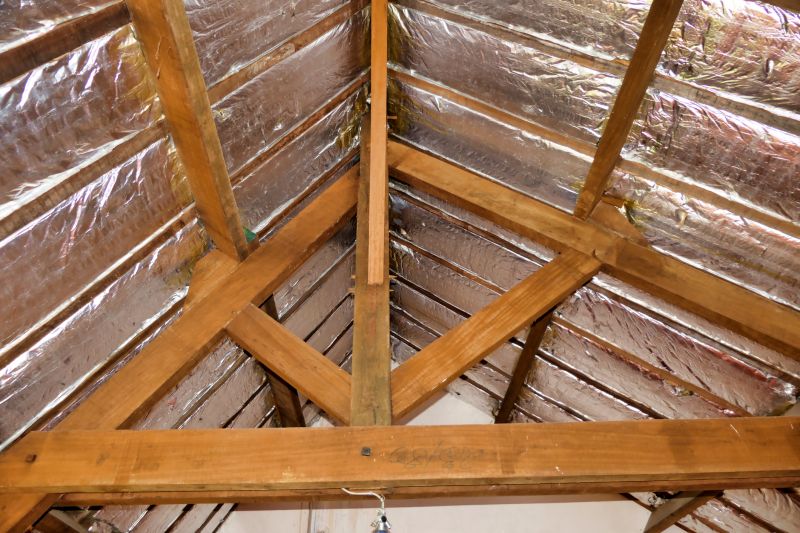
Professional vapor barrier installation can be tailored to the specific needs of different property types and environments. Contractors often work with various materials, such as polyethylene sheeting or foil-backed membranes, to suit the particular conditions of each project. Whether in new construction, renovation, or moisture remediation efforts, local service providers can evaluate the property's unique requirements and recommend appropriate solutions. This service plays a vital role in maintaining the durability and safety of properties by effectively managing moisture levels.
The overview below groups typical Vapor Barrier Installation projects into broad ranges so you can see how smaller, mid-sized, and larger jobs often compare in Pittsburgh, PA.
In many markets, a large share of routine jobs stays in the lower and middle ranges, while only a smaller percentage of projects moves into the highest bands when the work is more complex or site conditions are harder than average.
Material Costs - The cost of vapor barrier materials typically ranges from $0.25 to $0.75 per square foot, depending on the type and quality selected. For a standard basement, material expenses might total around $100 to $300. Local pros can provide specific estimates based on project size.
Labor Expenses - Installation labor usually costs between $0.50 and $1.50 per square foot, with total costs varying by project complexity. For an average basement, labor fees may be approximately $200 to $600. Contact local service providers for tailored quotes.
Project Size Impact - Larger areas, such as expansive basements or crawl spaces, tend to increase overall costs proportionally. For example, a 1,000-square-foot space could range from $750 to $2,250 including materials and labor. Local contractors can assess specific project needs for accurate pricing.
Additional Costs - Extra expenses may include surface preparation or repairs, which can add $50 to $200 or more. These costs depend on existing conditions and the scope of work. Consulting with local pros can help clarify potential additional charges.
Actual totals will depend on details like access to the work area, the scope of the project, and the materials selected, so use these as general starting points rather than exact figures.
Basement Waterproofing - Vapor barrier installation is essential for preventing moisture buildup in basements, helping to protect foundations and improve indoor air quality.
Attic Insulation - Proper vapor barriers in attics help control humidity levels and prevent mold growth, contributing to energy efficiency and structural integrity.
Concrete Slab Foundations - Installing vapor barriers beneath concrete slabs can reduce moisture migration, which is important for maintaining a dry and stable foundation.
Crawl Space Encapsulation - Vapor barriers are a key component in crawl space encapsulation projects, aimed at reducing humidity and preventing mold development.
Garage Flooring - Vapor barrier installation beneath garage floors helps inhibit moisture transfer, protecting flooring materials and stored items.
Commercial Building Foundations - In commercial construction, vapor barriers are used to control moisture infiltration, preserving building integrity and indoor air quality.
When selecting professionals for vapor barrier installation, it is important to consider their experience in the field. Homeowners should look for local contractors who have a proven track record with similar projects, ensuring they understand the specific requirements of basement or crawl space encapsulation. Clear communication about the scope of work, materials used, and installation methods can help set proper expectations and prevent misunderstandings during the project.
Reputable references and reviews from previous clients can provide valuable insight into a contractor’s reliability and quality of work. Homeowners are encouraged to seek out local pros with positive feedback and verifiable references, which can indicate consistent performance and customer satisfaction. Establishing open lines of communication with potential service providers is also essential, as it facilitates questions, clarifications, and ongoing updates throughout the project.
It is important to remember that the site introduces local options and is not the contractor itself. Homeowners should use these listings as a starting point to compare different local vapor barrier installation service providers. By evaluating experience, references, and communication practices, homeowners can make informed decisions and select a professional who aligns with their project needs and expectations.
Property owners in Pittsburgh, PA use Vapor Barrier Installation services for practical projects around their homes and businesses. The sections below highlight everyday jobs and straightforward project options.
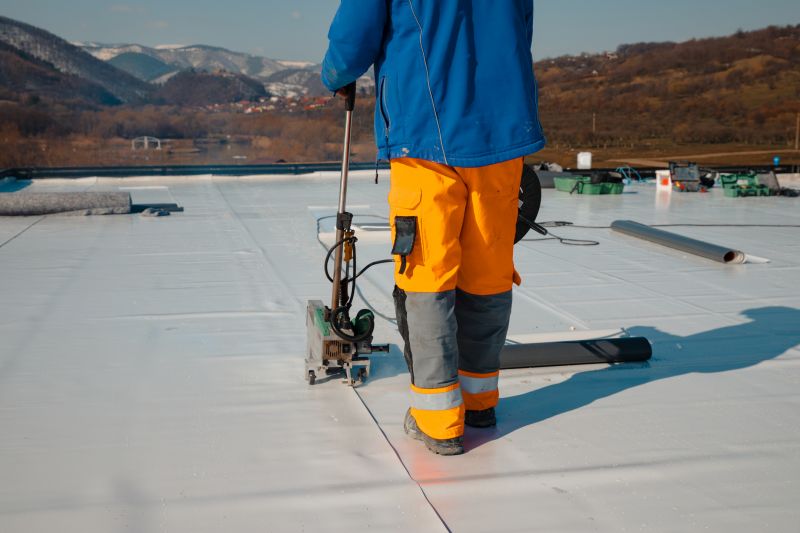
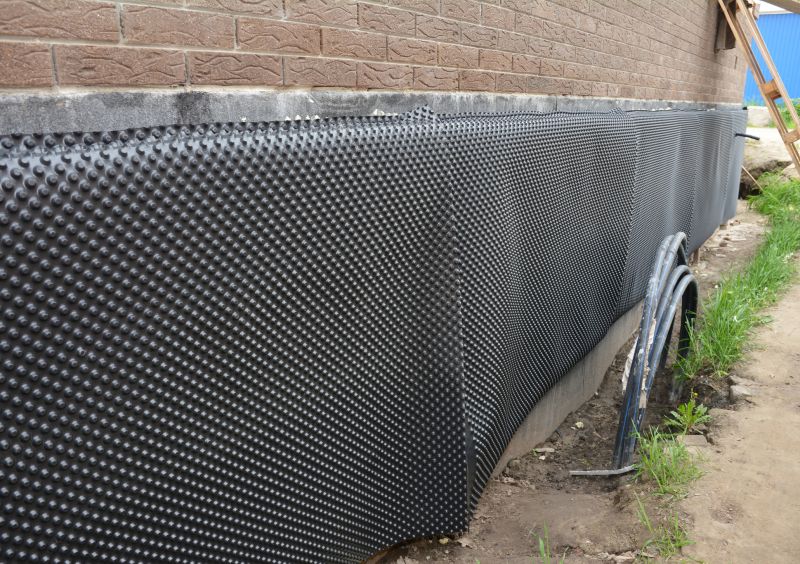
Vapor barrier installation is a common solution for property owners in Pittsburgh, PA dealing with moisture issues in basements, crawl spaces, or below-grade areas. When excess humidity or water vapor infiltrates these spaces, it can lead to mold growth, wood rot, and poor indoor air quality. Local contractors are often sought to install vapor barriers as a preventative measure or to address existing moisture problems, helping to create a healthier and more stable environment within the property.
Many property owners pursue vapor barrier services to improve energy efficiency and protect their investments. In Pittsburgh’s climate, where seasonal humidity fluctuations are common, a properly installed vapor barrier can help maintain consistent indoor conditions and prevent damage caused by moisture intrusion. Contractors experienced in vapor barrier installation can assess specific needs and recommend solutions that enhance the durability and comfort of homes and commercial buildings alike.
What is a vapor barrier? A vapor barrier is a material installed to prevent moisture from passing through walls, floors, or ceilings, helping to control humidity and reduce mold growth.
Where can vapor barriers be installed? Vapor barriers are typically installed in areas such as basements, crawl spaces, and underneath concrete slabs to help manage moisture levels.
What materials are used for vapor barriers? Common vapor barrier materials include polyethylene plastic sheeting, foil-faced membranes, and specialized vapor retarders designed for specific applications.
How long does vapor barrier installation usually take? The duration of installation varies depending on the area size and complexity, but generally, it can be completed within a day or two by local service providers.
Why should I hire a professional for vapor barrier installation? Professionals ensure proper installation techniques, which are essential for effective moisture control and long-term performance of the vapor barrier.
Vapor Barrier Installation Services - Local professionals can assess your space to determine the appropriate vapor barrier solutions for your needs.
Vapor Barrier Materials - Experts can recommend and install the right type of vapor barriers to help prevent moisture issues in basements and crawl spaces.
Moisture Control Solutions - Skilled contractors provide comprehensive moisture control strategies, including vapor barrier installation, to protect your property.
Inspection and Consultation - Contact local pros for evaluations of existing vapor barriers or advice on the best installation methods for your project.
Considering Vapor Barrier Installation for a property in Pittsburgh, PA? The sections above highlight common project types, practical options, and details that often shape the scope of work.
When you are ready, use the quote form to share a few details about your project. Local pros can review the basics and respond with options that match what you have in mind.